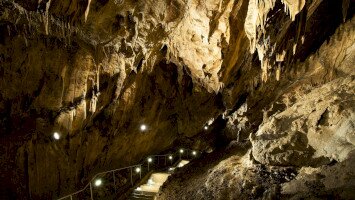
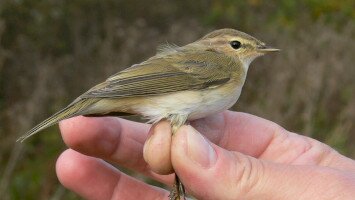
From the 23rd to the 28th of October, we were in the Kiskunság National Park, which was founded in 1975 and is located between the Danube and the Tisza in the middle of Hungary. The two volunteers, Paul and Tristan, are doing voluntary service here; like Marei and me, they are also in Hungary with the Kulturweit programme. To get to know and understand the different landscapes in Hungary a little better, we decided, like the volunteers before us, to do an exchange project together. While the forested Bükk Mountains are characterised by various karst formations and limestone mountains, the Kiskunság National Park is home to multiple steppes, salt marshes and pastures. Therefore, both national parks are very different and unique in their biodiversity, so the exchange was an exciting learning opportunity.
On most days, we were with Csaba, one of the rangers of Kiskunság National Park, who explained a lot about the biodiversity in the national park. The Puszta steppe provides a habitat for numerous plants and animals, so we were lucky to see great bustards one day. Weighing up to 16 kg, these are among the heaviest flying birds in the world. The Central European population has almost been lost in the last two hundred years, so the birds need special protection today. Furthermore, we have pulled out Common Hackberries; this plant imported from America severely threatens biodiversity due to its rapid spread. The living conditions in the national park are suitable for Common Hackberries so that they can spread quickly, which is why their population must be regulated. If an invasive plant species spreads too far and endanger native biodiversity, intervention is taken. If the invasive plants were to spread further and then become infected with a disease, all plants would be directly affected, which is why biodiversity should be protected.
In the Kiskunság National Park, we also had many other exciting experiences. There was no central heating in the forest hut where we lived during the week of our stay, so we chopped wood to heat it; drinking water was available from canisters, and we lit a shower fire for showering. This experience made us much more aware of many privileges and made us appreciate them even more. The experience in Kiskungság National Park was very enriching on many different levels.