Intro
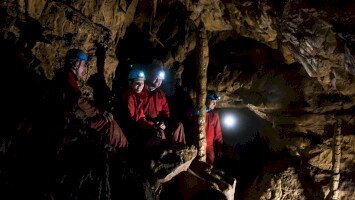
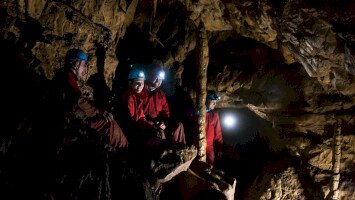
For the next 6 months, I want to take you and myself on a little journey. To the Bükk mountains in the northeast of Hungary. I am here to learn more about the nature/culture and to share my knowledge from past environments and experiences. Here, I reflect on thoughts about the Bükk, its species, and human connections, with the aim of putting some structure and ideas to the feelings of a world in crisis. This can be a moment to feel sad. But more so, it is an invitation to think about ourselves in relation to our environment and the chances that lie within being human. To acknowledge feelings connected to the homes we are (not yet) losing, the things we (don’t yet) see slowly disappearing. Let’s take a moment together to explore what these changes mean for us and the beings we are living with, as we are all in this together even though on very different levels. Maybe you never thought of this before; maybe you did. Either way, it’s always good to have a look. I hope you enjoy and explore this journey together with me and others. It’s important to take up space and time to think about our roles in this world. So, here we go. Thank you for being here!
Monthly recommendations
Each month, I am including some recommendations that relate to my experiences and might be helpful for you to understand and learn what is going on.
September
Arrival
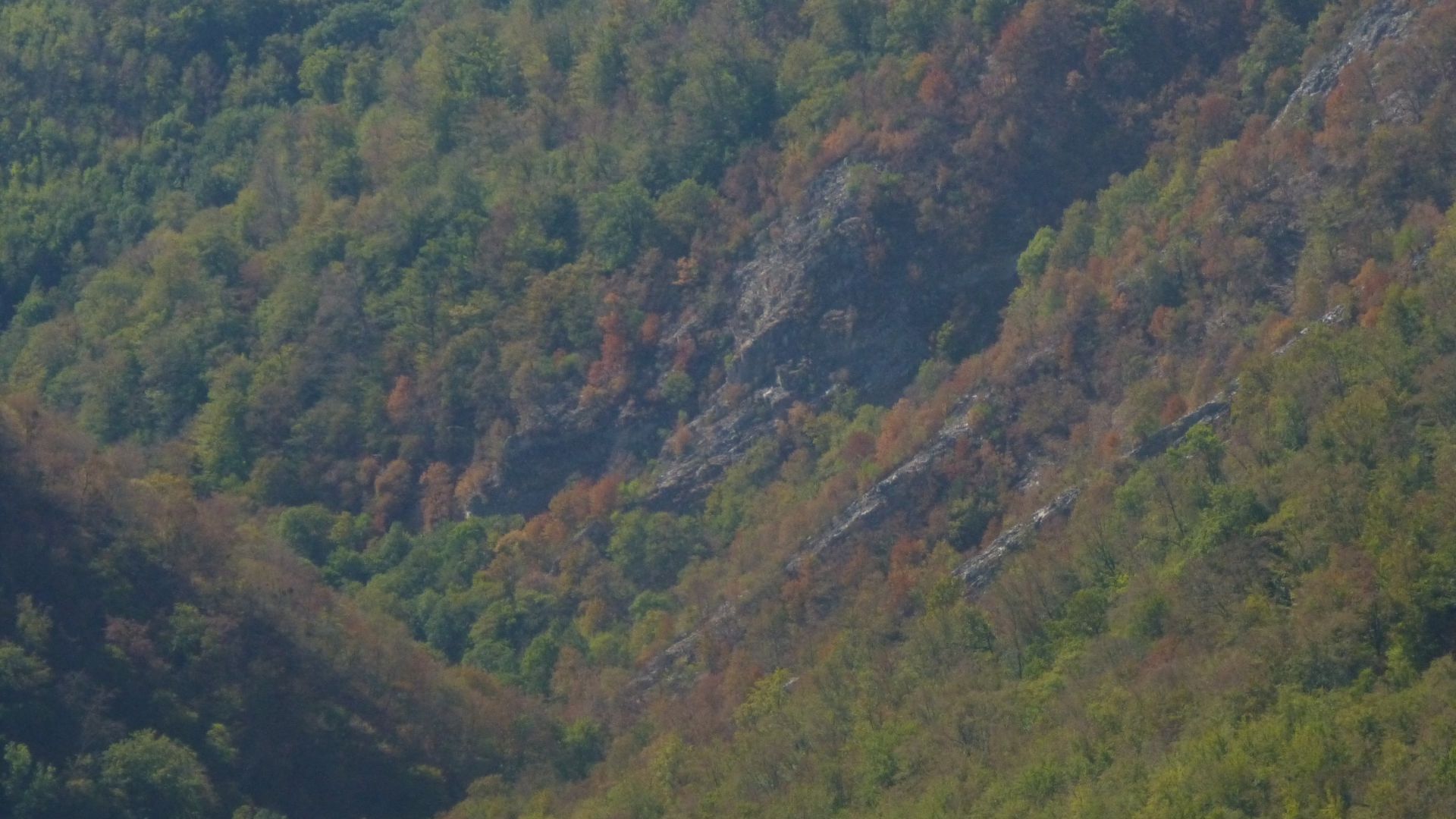
My first official day starts on the 14th of September. I’m excited to learn more about the mountains and their inhabitants for the next 6 months that I am living here. An unknown territory, ready to become known. At first, I am hot and exhausted and all over the place. After spending two years in Sweden – a rather cold climate - I am now facing a new culture, a warmer, drier climate. I try to settle in. Every day I go out and explore something new. I quickly notice that it is not the green, rich mountainous area I was expecting. When we visit Lillafüred to go for a swim and see the waterfall, I feel so sad the tress and all the other beings living there, including myself. I can’t swim in the lake, people are just trying to stay on the water in tiny boats; the waterfall is not falling, since there is no water. It feels like everyone is thirsty and there is no water to quench it.
Denial
In the upcoming days, every new person I meet asks me the same question: “How do I find it so far?” The first impulse, and I share it out loud, is: “It’s dry, so dry.” I get immediate reactions of confirmation. The people here feel the same; it’s not easy to handle. A feeling of actual and possible losses of well-known habitats, living environments and the knowledge and beliefs that come with it constituting also ourselves. This is also known as ecological grief. Something that, at the same time, is not acknowledged and taken seriously as such: a profound feeling affecting our well-being (Radomska, 2023). It’s a common silence that sinks in afterward and a question: what can we do? I am so used to being surrounded by bodies of water. The feeling of it on and in my body. I am so used to it that for the first couple of weeks I am unable to grasp why I don’t feel so connected to this place. Of course, everything is new, but then I know: I am missing the water. And it’s not only me, but everyone I meet. “It’s the hottest year in 125 years”. We are actually living in denial (Norgaard, 2011): “We are living in a water-rich season. People move here nowadays to live”. It does not make sense, there is no water left. I am just thinking: next year will be the same. The only thing that saves me for now is that I put some summer clothes in my suitcase. I just didn’t expect to wear them all September long. Finally, we find one artificial lake a village away. I go for a swim. There is this wonderful thing that only happens when I’m underwater. Being completely free, floating. It’s one of the best moments since I’ve been here. A single man who finds this lake on a journey to the next village sighs as he goes into the water. “Das ist so schön, bei mir gibt es kein Wasser” (“It’s so nice, there is no water where I come from”). He wants to practice his German with us. Again, we understand that we need water to cool ourselves down. To calm ourselves down. He leaves after some minutes to care for his garden, where hopefully some plants grow.
Birds and shifting perspectives
To finish this month, I end up in a bird ringing camp located in a small valley in the Aggtelek-karst area, just 10km from the Slovakian border. This also means that sometimes Slovakian birds find their way to our camp. As probably most of us know, the birds’ routes are changing, species are becoming extinct, and the dryness makes it ever more difficult to cope with the changes of the crisis we are living in. A crisis humans are responsible for. Colonial and capitalist footsteps everywhere I go. So, to demonstrate some responsibility and take action is always a necessary and good step. I learn so much about the birds – my new favorite birds are the tree creeper and the long-tailed tit (you should look them up) – that I feel like now I have a better sensibility of these birds in my daily life. My perspective changed a bit about what I actually sense when I look at the trees. And finally, we let them free again, to hopefully find a good home for the winter. We humans are so small, under the dark, cold sky in this valley.
Carrying the heat
We end this month with cold mornings and searing-hot days. Birds come too late to continue their journey. Summer is still here. This climate is denied, to be able to live in someone’s privileges? . The days are getting shorter, but the temperature stays. I have never experienced something like this before. As with all the other people I have met so far. I am an outsider in a new country. Although I speak the language, I understand that humans and other beings are suffering and facing the same challenges as everywhere in the world. We unite in our experience of the dryness. I can feel some hope in this. Capitalism doesn’t hold on to borders. There is only one way to change things: together. But then, the ways we handle it are so different. I want to do something, but the sun is sucking the energy out of me. I have to continue, for what else could I do? On the last day of September, I hope to be able to breathe some fresh air, waiting for the rain to come. I’ll let you know in October…
Monthly recommendation:
“Beyond Climate Denial” by Canada’s National Observer - Podcast
“Blood Over Bright Haven” by M. L. Wang - an easy read on colonialism
and destructive power systems
“Bodies of Water: Posthuman Feminist Phenomenology” by A. Neimanis - on our bodies underlying relation to the water and a shift of perspectives
Other literature:
Radomska, M. (2023). Towards Arts of Eco-Grief: A Queering Reflection.
Norgaard, K. M. (2011). Living in denial: Climate change, emotions, and everyday life. mit Press.
Fly away earlier
Next time this year
I will come and pick you up
Trying to heal the broken wings
Of your body and
I am sorry after all
Author: Lina Stoschus (volunteer at Bükk National Park)